
November is when Thailand's high season begins. For anyone who owns rental property in Phuket and Pattaya, it is the most important month of the year to get right. The rains ease, long-haul winter travelers arrive, and demand typically stays strong through March.
The owners who earn the most from high season are rarely the ones who simply list their unit and wait. They prepare the property, price the season deliberately, and choose a rental model that works within Thai law.
This guide covers what the 2026 tourism outlook means for owners and why Thailand's 30-day rule makes monthly rentals the safer model for most condos. It ends with a practical checklist to get your property ready this November.
The headline for 2026 is stability rather than a boom. In September, the Tourism Authority of Thailand put its base-case forecast at 32.6 to 32.7 million foreign arrivals for the year, just under its 33 million target. It also set a tourism revenue goal of 2.7 trillion baht (Nation Thailand). That compares with about 32.9 million arrivals in 2025.
For owners, three points matter more than the national total:
Both markets attract foreign buyers, but they behave differently.
🌆 Pattaya is one of the country's biggest foreign condo markets. Chonburi province, which includes Pattaya, recorded 1,167 condominium transfers to foreign buyers in the first quarter of 2026, around 36% of all foreign condo purchases in Thailand. Local agents describe 2026 as a buyer's market, with high inventory and negotiable resale prices. That makes presentation and management more important for owners competing for tenants.
🏝️ Phuket leans more toward lifestyle and villa demand, with strong interest from foreign buyers in areas such as Bang Tao and Cherng Talay. Supply has grown quickly since 2023, so well-located, professionally run properties stand out.
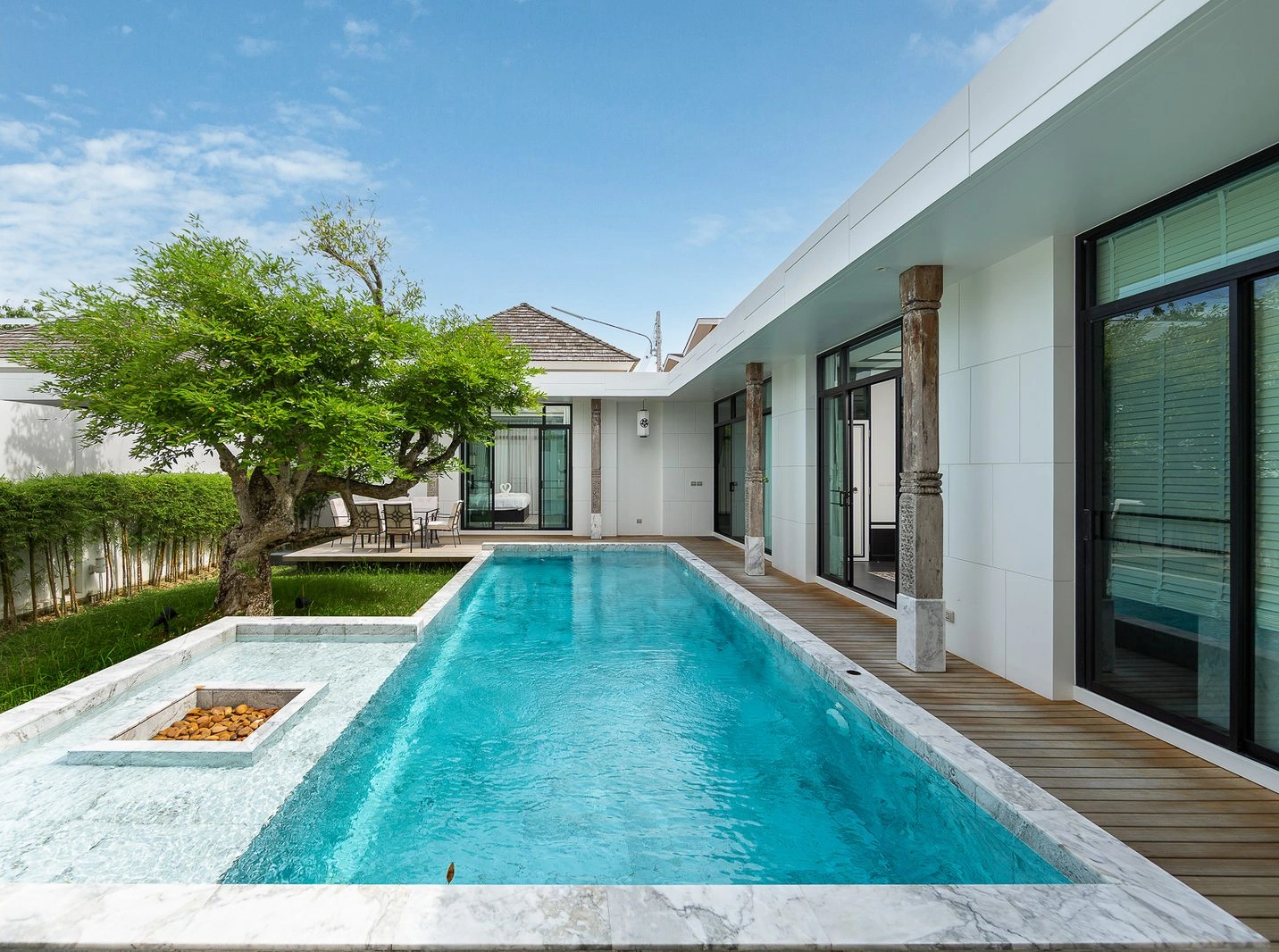
📊 A realistic word on yields. You will see rental yields of 8% to 10% quoted for Phuket and Pattaya. Independent data is more conservative: average gross yields across Chonburi were around 5.5% in the first quarter of 2026. Well-located condos typically achieve 6% to 8% gross (Pearl Property Pattaya). The difference between average and strong returns usually comes down to location, condition, and management.
This is the single most important legal point for anyone renting out property in Thailand. Under the Hotel Act, renting out accommodation for less than 30 days is generally treated as operating a hotel, which requires a hotel license. A narrow exemption exists for very small operations, but it still requires registration, and most condominium rules ban short stays regardless. Most condominium buildings do not hold a hotel license, and many building juristic persons set a 30-day minimum stay in their rules (Thailand Business News).
Courts have upheld this position. In a well-known 2018 ruling in Hua Hin, a court found that renting condo units on a daily or weekly basis without a hotel license breached the Hotel Act. Officials in tourist areas, including Pattaya and Phuket, have also carried out periodic crackdowns.
✅ The practical takeaway for owners: monthly rentals of 30 days or more avoid the main licensing risk and keep you on good terms with your building. They also attract guests who tend to treat a home with more care. Villas and private houses face the same Hotel Act question, so the same caution applies.
Monthly demand comes from a broader mix of guests than many owners expect:
Since 15 September 2026, Thailand's visa exemption for many nationalities has been 30 days, so guests planning a month or more increasingly arrive on a longer-stay visa such as the DTV. These guests compare options carefully. The homes that win are clean, fully equipped, and easy to live in from day one.
Use this list to get your property ready before the first long-stay guests arrive.
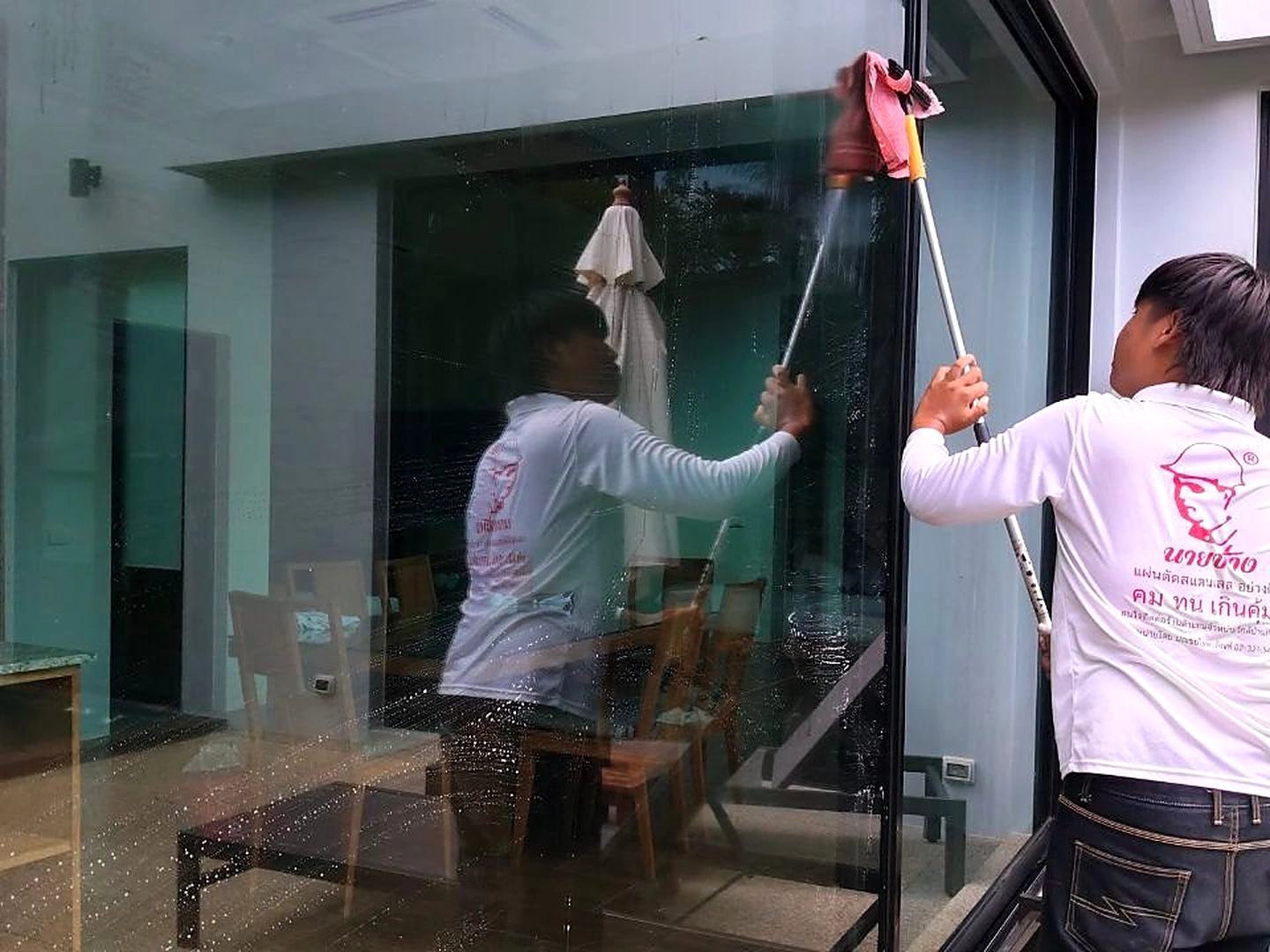
Month Stayz Thailand is built around furnished monthly stays in Phuket and Pattaya, so our management model is built around long stays rather than nightly turnover.
For owners, that means:
If you already own a condo or villa, our landlord program explains how we can manage it for you. For a sense of what guests pay and expect, our cost of living guide for Phuket and Pattaya shows typical monthly budgets from the renter's side.
🏡 Own property in Phuket or Pattaya?
Talk to our team about getting it ready for high season. Message us on WhatsApp to talk through your property.
High season generally runs from November to March, when the weather is driest and long-haul travelers arrive. December and January are usually the busiest months.
Renting out a condo for less than 30 days without a hotel license is generally considered a breach of the Hotel Act, and many buildings ban it in their rules. Rentals of 30 days or more avoid the main licensing issue. This is general information, not legal advice.
Yes. Foreigners can own condominium units freehold, provided foreign ownership in the building stays within 49% of the total saleable area.
It varies widely by location, condition, and management. Independent data put average gross yields across Chonburi, which includes Pattaya, at around 5.5% in early 2026, with well-located condos typically reaching 6% to 8% gross.
Yes. Under Section 38 of the Immigration Act, the owner or manager of the property must report foreign guests' stays to Immigration through the TM30 process within 24 hours of arrival. A property manager can handle this for you.
We handle guest sourcing, check-in, cleaning, maintenance, and guest support, and send monthly performance reports. Contact our team for details on fees and terms for your property.